








KCTS provides treatment grounded in proven clinical methods, delivered by licensed professionals and supported by peer recovery specialists who understand the recovery process firsthand.

KCTS accepts most major insurance plans, including Medicaid, Medicare, and Medicaid supplemental plans. We also honor IHS Native care policies. For individuals without insurance, affordable self-pay options are available.

Services are available for adults age 18 and older.

KCTS offers a 24-hour crisis line staffed by licensed therapists, so patients can reach qualified support when urgent needs arise.

Established in 2008, KCTS was the first Tribal methadone clinic in the United States and continues to serve both Native and non-Native patients with compassion and dignity.

KCTS holds a three-year CARF accreditation, reflecting our commitment to high standards in treatment quality, patient care, and organizational performance.


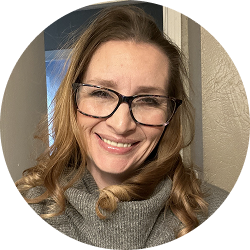
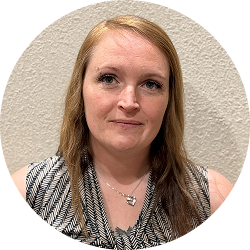
Medical Director
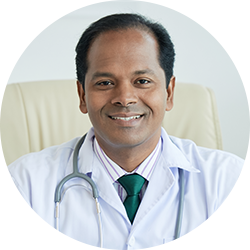
Dr. Harold Pierre is a board-certified physician in both Anesthesiology and Addiction Medicine. He graduated from the Johns Hopkins University School of Medicine, where he was recognized as Resident Teacher of the Year. As Medical Director of Keetoowah Cherokee Treatment Services, Dr. Pierre helps guide medication-assisted treatment and recovery services with a strong commitment to safe, evidence-based care.
Dr. Pierre is dedicated to supporting individuals seeking recovery from opioid addiction with compassion, respect, and clinical excellence. He stays informed on the latest developments in addiction medicine to help ensure patients receive thoughtful, effective care tailored to their needs. His approach reflects KCTS’s commitment to providing treatment that is both medically sound and centered on long-term recovery.
Clinical Supervisor
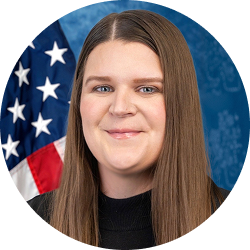
Shelby Torrence, LADC-MH, is a dedicated clinician with more than 10 years of experience in the mental health field. Her work focuses on supporting individuals who are healing from substance use challenges, trauma, and domestic violence. She is committed to creating a supportive, nonjudgmental space where patients feel respected, understood, and encouraged in their recovery.
Shelby’s approach is compassionate, client-centered, and grounded in evidence-based care. She uses therapeutic approaches including Cognitive Behavioral Therapy, Dialectical Behavior Therapy, and Acceptance and Commitment Therapy to help patients build coping skills, strengthen emotional resilience, and move toward lasting recovery and wellness.
Therapist
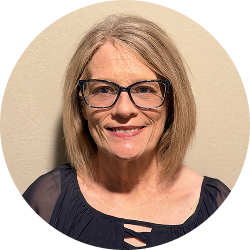
Dr. Stephens has been part of Keetoowah Cherokee Treatment Services for the past three years. She earned her undergraduate degree from Kansas State University, her Master of Social Work from the University of Oklahoma, and her doctorate from Tulane University.
Dr. Stephens provides compassionate, nonjudgmental support for individuals navigating addiction, recovery, relapse prevention, and co-occurring emotional challenges. Her approach is client-centered and strengths-based, with a focus on helping patients build practical coping skills, emotional resilience, and a strong foundation for long-term recovery. She uses evidence-based approaches including Cognitive Behavioral Therapy, Dialectical Behavior Therapy, EMDR, Motivational Interviewing, Acceptance and Commitment Therapy, Trauma-Focused Cognitive Behavioral Therapy, and other supportive modalities tailored to each individual’s needs.
Lead PRSS
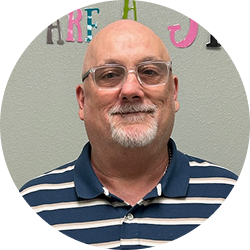
Steven “Steve” Rhodes serves as the Lead Peer Recovery Support Specialist at Keetoowah Cherokee Treatment Services, where he has worked since March 2023. His work is rooted in lived experience and a deep commitment to supporting individuals in recovery with compassion, respect, and encouragement.
Steve began his recovery journey in December 2020. Since then, he has remained active in recovery-based mentorship and peer support, using his experience to help others find hope, structure, and a path forward. In his role at KCTS, he develops peer-led programming, mentors PRSS staff, and collaborates with the treatment team to support patient-centered care. He believes recovery is possible for every person and that lasting change begins with the next step forward.